
You spend weeks agonizing over what to wear to a wedding, but have you thought about how that outfit will look decades from now in someone’s photo album? Every color choice, fabric texture, and accessory becomes a permanent part of the couple’s visual story, whether you intended it or not. Guests often focus on comfort or trend-chasing without considering how their look reads on camera, next to the wedding party, or against the venue’s backdrop. This article breaks down exactly what your outfit choices communicate in photos, so you can dress with confidence and avoid any regrettable snapshots.
Color Choices That Blend In or Stand Out
The color you wear does more than express personal style; it determines whether you complement the wedding’s palette or clash with it in every group shot. Soft neutrals and muted jewel tones tend to photograph well against most backdrops, while neon shades or stark white can pull focus away from the couple. Photographers often position guests in group arrangements, and a poorly chosen color can create visual chaos or unintentionally draw the eye toward you instead of the newlyweds.
Think about the season and setting too, since a beach wedding calls for different tones than a formal ballroom event. Pastels and light fabrics suit outdoor daytime ceremonies, while deeper colors like burgundy or emerald feel more appropriate for evening affairs indoors.
- Avoid all-white or ivory looks that compete with the bride’s dress
- Steer clear of the exact color the wedding party is wearing
- Choose colors that complement the venue’s lighting and decor
- Consider how bold patterns might look busy in group photographs
Fabric Texture and How It Reads on Camera
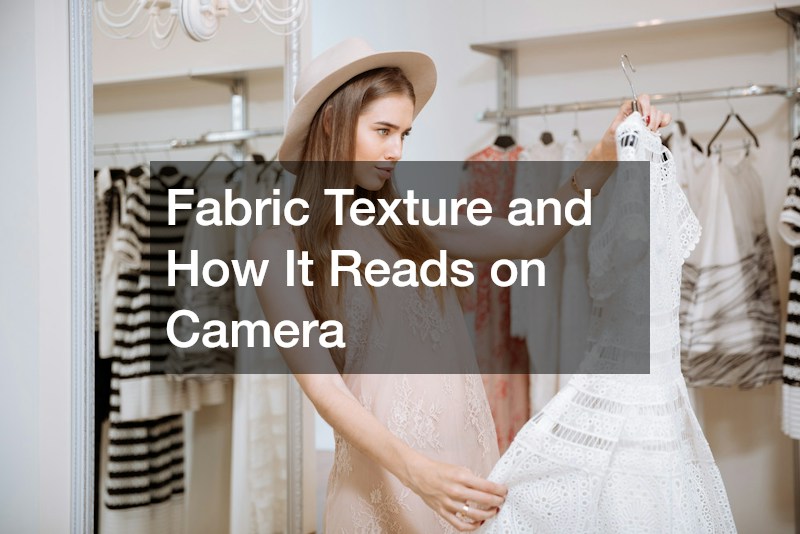
Fabric choice affects how light interacts with your outfit, which matters more in photographs than most people realize. Shiny satins and sequins can cause glare under flash photography, while matte fabrics like cotton, linen, and crepe tend to photograph smoothly without distracting reflections. Textures also add depth to an image, so a well-chosen fabric can make your outfit look richer and more intentional in candid shots.
Wrinkle-prone materials are another consideration, especially for outdoor weddings with long guest lists and extended photo sessions. Fabrics that hold their shape throughout a long day will keep you looking polished from the ceremony through the reception.
- Linen and cotton blends photograph well but wrinkle easily in humidity
- Sequins and metallics can create unwanted glare in flash photos
- Velvet and structured fabrics hold up well for fall and winter weddings
- Matte finishes generally look more elegant in natural light settings
Accessory Decisions That Photograph Well
Accessories can elevate an outfit or become a distraction depending on scale and placement. Oversized hats, chunky jewelry, or statement bags might look striking in a mirror selfie but can overwhelm a photo composition when you’re standing among other guests. Simpler, well-proportioned accessories tend to age better in photos, meaning you won’t cringe looking back at them in five years.
Consider practicality as well, since accessories that shift, tangle, or require constant adjustment will show up as distractions in candid moments. A clean, cohesive look with one or two statement pieces usually photographs more successfully than an outfit layered with competing elements.
- Choose one statement piece rather than multiple bold accessories
- Avoid accessories that cast shadows on your face in outdoor light
- Keep clutch bags and jewelry simple for cocktail hour candids
- Test how sunglasses or hats look in photos before committing to them
Fit and Silhouette in Group Photographs
An outfit that fits well photographs dramatically better than one that is too tight, too loose, or poorly tailored, regardless of how expensive it was. Group photos are unforgiving, often catching guests mid-movement or in awkward poses, so a well-fitted silhouette gives you a better chance of looking natural in every shot. Tailoring even an off-the-rack outfit can make a noticeable difference in how it drapes and photographs.
Silhouette also affects how you appear next to others in formal lineups, since boxy or overly voluminous shapes can distort your proportions in wide shots. A tailored fit creates cleaner lines that read well whether you’re seated at a table or standing for a formal portrait.
- Get hems and sleeves tailored for a polished appearance
- Avoid outfits that bunch or wrinkle when seated for long periods
- Choose structured pieces for formal portrait lineups
- Test mobility in your outfit before the big day arrives
Working With the Venue and Lighting Conditions
The setting of the wedding plays a bigger role in your photographed appearance than most guests anticipate. Outdoor golden hour light is flattering to nearly everyone, softening skin tones and casting a warm glow that makes almost any color choice work. Harsh midday sun, on the other hand, can wash out pale colors and create unflattering shadows on darker fabrics, especially under a bright noon sky with no cloud cover to diffuse the light. Beach and garden ceremonies bring their own variables worth planning around. White sand or bright greenery can reflect light upward onto your face, which is generally flattering, but it can also intensify already-strong sunlight, so mid-tone colors like dusty blue, sage, or terracotta tend to photograph better than stark white or jet black. Indoor venues with dim lighting, like reception halls, old churches, or barns with minimal windows, often require brighter or lighter-colored outfits to avoid disappearing into the background of photos. Navy, charcoal, and black can all blend into shadowy corners under low wattage lighting, while jewel tones like emerald, sapphire, or burgundy tend to hold their color and definition even in low light. Venues lit primarily with candlelight or warm string lights add another layer to consider, since these light sources cast an amber tint that can mute cool colors like icy blue or lavender while making warm tones like blush, gold, and rust appear richer. If you’re unsure what kind of lighting to expect, checking venue photos in advance or asking the couple whether the ceremony and reception are indoors or outdoors can help you choose an outfit that photographs well in both settings.
A skilled wedding photographer will adjust lighting and angles to capture the best possible images of the couple and their guests, but there is only so much editing can correct if an outfit clashes badly with its environment. Being aware of the venue style ahead of time, whether it’s a rustic barn, modern hotel ballroom, or garden estate, helps you choose an outfit that feels intentional rather than out of place in the final photo gallery. Lighting conditions matter just as much as decor. Outdoor ceremonies held in bright midday sun tend to wash out pale pastels and stark whites, while golden hour receptions flatter warm tones like rust, terracotta, and dusty rose. Indoor venues with dim, ambient lighting can make dark navy or black outfits blend into the background, so a touch of texture, jewelry, or a lighter accent color helps you stand out without stealing focus. The venue’s backdrop also plays a role in how colors and patterns translate on camera. A barn setting with exposed wood and neutral tones pairs well with muted earth colors, while a sleek ballroom with metallic accents can handle bolder jewel tones or subtle shimmer. Busy prints or heavy sequins may photograph as distracting in front of ornate wallpaper or stained glass, so simpler silhouettes often read better in those spaces. Finally, consider the time of day and season alongside the venue itself. A winter evening wedding in a candlelit chapel calls for richer, deeper hues than a spring garden ceremony bathed in natural light. Thinking through these details in advance means your outfit will complement, rather than compete with, whatever setting the wedding photographer is working to capture.
- Light colors (soft blush, champagne, pale blue) reflect candlelight beautifully and photograph well in dim reception spaces
- Darker tones (navy, emerald, burgundy) hold their richness under harsh midday sun without washing out in photos
- Metallics like gold, silver, or bronze catch evening light for subtle shimmer without overwhelming flash photography
- Avoid stark contrasts or neon shades that clash with the venue’s decor, florals, or color scheme
- For barn or rustic venues, earthy tones like terracotta and olive blend naturally with wood and greenery backdrops
- At beach weddings, linen-like fabrics in seafoam or sand tones complement natural light and coastal scenery
- Test outfit colors in different lighting beforehand, since fabric that looks neutral indoors can shift tone dramatically outdoors
Your wedding guest outfit is more than a personal style statement; it becomes part of a permanent visual record that the couple will treasure for years. By thinking through color, fabric, accessories, fit, and venue lighting before you shop, you can show up looking polished and appropriate in every photo taken that day. Next time you’re invited to a wedding, use these considerations as a checklist rather than an afterthought, and you’ll feel confident knowing your outfit will hold up beautifully in the album.
